
Biochemical Journal Editorial Board
Highlighting rigorous work exploring the fundamental mechanisms of life, the Biochemical Journal is a leading single-anonymous peer-reviewed bioscience journal that publishes high-impact scientific research papers and reviews on the latest advances and mechanistic concepts in the fields of biochemistry, cellular biosciences and molecular biology and their importance across the kingdoms of life
Biochemical Journal Editorial Board
23 members

Professor Mark Lemmon
Professor Mark Lemmon

Mark Lemmon is Alfred Gilman Professor and Chair of Pharmacology at Yale University and Director of the Yale Cancer Biology Institute. His research focuses on mechanistic, structural and biochemical aspects of signaling by growth factor receptor tyrosine kinases, particularly the EGF receptor. Educated in Oxford, England (BA in biochemistry), Yale (PhD in Mol. Biophysics and Biochemistry with Donald Engelman) and NYU (postdoc in pharmacology with Joseph Schlessinger), he became an Assistant Professor of Biochemistry and Biophysics at the University of Pennsylvania Perelman School of Medicine in 1996, and later George W. Raiziss Professor and Chair of that Department. He moved to Yale in 2015 to build a new Cancer Biology Institute on Yale’s West Campus, and was later appointed Chair of Pharmacology in 2023.
Dr. Lemmon is Chair of the Editorial Board of the Biochemical Journal, and also serves on the Advisory Boards of Cell, Molecular Cell, Science Signaling, and other journals. Honors include the Protein Society’s Dorothy Crowfoot Hodgkin Award (2012). He was elected as a Fellow of the Royal Society (FRS) in 2016, as an ASBMB Fellow in 2023, a Life Fellow of the European Academy of Medical Sciences in 2023, and as a member of the Connecticut Academy of Science and Engineering (CASE) in 2024.

Dario Alessi
Dario Alessi

Dario’s research focuses on unravelling the roles of poorly characterised components which regulate protein phosphorylation or ubiquitylation pathways that are linked to human disease. Dario obtained a BSc (1988) and PhD (1991) from the University of Birmingham, United Kingdom. He carried out postdoctoral at the University of Dundee from (1991 to 1997), where he became fascinated by protein kinases and how they are regulated by insulin, growth factors and other extracellular signals that control almost all aspects of cell biology. In 1997 Dario became a program leader in the MRC Protein Phosphorylation Unit, where he was appointed as its Director in 2012.
Dario has contributed to our understanding of several disease relevant signal transduction pathways including PDK1 (diabetes and cancer), LKB1 (cancer), WNKs (blood pressure). Much of Dario’s current work is focused on understanding LRRK2 and how mutations in this enzyme cause Parkinson’s disease. Dario’s work has contributed to approaches (LRRK2 kinase assay, LRRK2 Ser935 dephosphorylation assay, Rab phosphorylation assays) that have facilitated the development of inhibitors against LRRK2 that may be useful for the treatment of Parkinson’s disease. Dario’s lab contributed to the discovery and validation of the first physiological substrates for the Parkinson’s disease LRRK2 protein kinase to be identified showing that LRRK2 directly phosphorylates a subset of the Rab GTPases on a residue lying within the middle of the effector interacting-switch II domain.
Dario in collaboration with the Michael J Fox Foundation to better interrogate and understand LRRK2 biology and how it is impacted by mutations, environment and inhibitors that are being developed and assessed. Dario also serves as the Director of the Dundee Signal Transduction Therapy Unit. This is a unique collaboration between scientists at the University of Dundee and pharmaceutical companies, dedicated to accelerating the development of specific inhibitors and chemical probes that target the protein phosphorylation and ubiquitylation system for the treatment of disease, as well as for the study of cell signalling. Dario has published around 260 papers and has a h-index of 129.
Jonathan Backer
Jonathan Backer
Jon Backer received his M.D. from Harvard Medical School in 1987, where he worked with Paulo Dice on what is now called chaperone-mediated autophagy, and with Lennie Dawidowicz on lipid trafficking. He was a postdoctoral fellow with Morris White and Ron Kahn and the Joslin Diabetes Center, where he worked on insulin signaling and demonstrated that PI 3-kinase binds to and is activated by tyrosine phosphorylated IRS-1. He joined the Department of Molecular Pharmacology at Albert Einstein College of Medicine in 1993, and he is currently the Williams S. Lasdon Professor and Chair of the department. His research has focused on the mechanisms of PI 3-kinase activation by growth factor receptors and GPCRs, and the role of PI 3-kinases in tumorigenesis, metastasis, vesicular trafficking, and metabolism.

Ben Black
Ben Black

Following undergraduate studies at Carleton College, Ben Black did a Ph.D. dissertation at the University of Virginia on pathways for nuclear protein export in the lab of Bryce Paschal. After a four-year postdoctoral fellowship with Don Cleveland at UCSD in the Ludwig Institute for Cancer Research, Ben started his own group at UPenn to continue the work he had started in the area of chromosome biology.
Perhaps his best known work as an independent investigator is uncovering the physical basis for how nucleosomes containing the histone variant, CENP-A, epigenetically mark centromere location on the chromosome; and further, for helping elucidate how this nucleosome can seed new centromere assembly and maintain centromere location through a cell cycle-coupled self-propagation mechanism ultimately required to guide faithful chromosome inheritance. He has been recognized for his work with a fellowship from the American Cancer Society, a Career Award in the Biomedical Sciences from the Burroughs Wellcome Fund, a Rita Allen Foundation Scholar Award, and the Michael S. Brown New Investigator Award.
Xiao-Wei Chen
Xiao-Wei Chen
Dr. Xiao-Wei Chen obtained his BS (Biochemistry) and BA (Economics) from the Peking University, and completed his Ph.D. training on insulin signaling and Glut4 trafficking with Dr. Alan Saltiel at the University of Michigan in the United States. He then pursued postdoctoral study on genetics and cardiovascular biology in the laboratory of Dr. David Ginsburg at Michigan, prior to being recruited back to the Peking University in 2014. His research focuses on the genetics and cell biology of lipoprotein metabolism and lipid homeostasis, in the context of the prevalent cardiometabolic diseases. His group elucidated a receptor-mediated export program for the lipoproteins in mice and humans. The work also led to the identification of the long-sought biogenic phospholipid scramblase TMEM41B, a rheostat in lipid and membrane homeostasis and a key host factor for coronaviruses.
A. Clay Clark
A. Clay Clark
Clay Clark received a BS in Biology from the University of Georgia, an MS in Biology from the University of San Francisco, and a PhD in Biochemistry from Texas A&M University under the direction of Dr Thomas O. Baldwin. During his doctoral studies, he examined the protein folding properties of bacterial luciferase. He then trained as a postdoctoral associate with Dr Carl Frieden at Washington University School of Medicine where he examined the folding of DHFR and its interactions with the chaperonin GroEL. He moved to Raleigh, North Carolina, in 1999 as an Assistant Professor of Biochemistry, and he currently is Professor and Chair of Biology at the University of Texas at Arlington. His research focuses on the allosteric control and evolution of caspases.
Michael Duchen
Michael Duchen
Michael was born in South Africa, moving to the UK in 1960. He studied Physiology and Medicine in Oxford, 1971-75, then moved to St George's Hospital Medical School to complete his clinical training, graduating 1978. He worked in clinical medicine in junior hospital appointments 1978-1981 including a period working at a rural hospital in the Transkei, South Africa. He moved to the UCL Department of Physiology to embark on PhD studies 1981-1984 with Tim Biscoe as supervisor and mentor.
He has stayed at UCL Physiology (now the Department of Cell and Developmental Biology) ever since, first as a Royal Society University Research Fellow, then as Reader and Professor. His early research was electrophysiological with an interest in neurotransmitter receptor biology, but he became interested first in the influence of cell metabolism on excitability and then increasingly fascinated by mitochondrial biology, in the dialogue between cell signalling pathways and mitochondria, in the roles of mitochondria in disease and ultimately in the question of whether mitochondrial pathways represent viable therapeutic targets in a variety of disease states.
Patrick Eyers
Patrick Eyers
Pat Eyers is Professor of Cell Signalling, and Head of the Department of Biochemistry and Systems Biology, at the University of Liverpool. He runs a multidisciplinary research lab that seeks to answer fundamental questions pertaining to the mechanisms of cell signalling. After completing a PhD with Sir Philip Cohen at the University of Dundee and 4 years of postdoctoral research in the USA with the late Jim Maller, he set up his laboratory in the UK with an MRC Career Development Fellowship in 2005.
His current interests include all aspects of protein phosphorylation and sulfation, analysis of protein kinase and sulfotransferase regulation, pseudokinases and pseudoenzymes and kinome-wide mechanisms of acquired drug resistance in cells. In addition, he uses the tools of chemical biology to probe intracellular signalling mechanisms in a variety of cell models, integrating kinomics, phosphoproteomics and redox-regulated signalling. His work has led to several findings relevant to kinome-based analysis, including the co-discovery of the gatekeeper residue in Ser/Thr kinases (1997-2000), the analysis of the cell cycle by mitotic kinases (2000-2010), conserved mechanisms of drug-resistance in the human kinome (2009-2019) and his group's present work on redox regulation of protein kinases, pseudokinases and other pseudoenzymes found across the kingdoms of life.

Christine Foyer
Christine Foyer
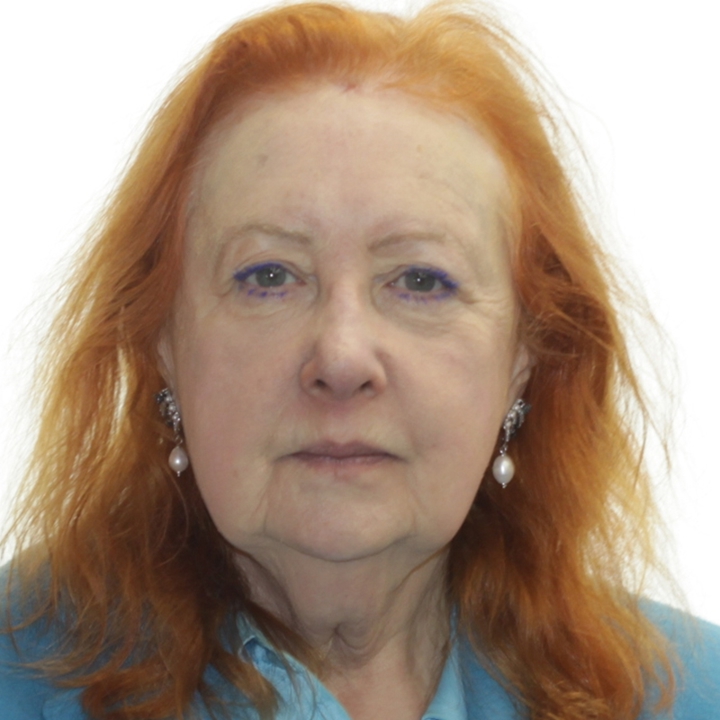
Christine Foyer is Professor of Plant Sciences at the University of Birmingham UK. She obtained her PhD in 1977 from Kings College, London. Christine held senior appointments at a number of leading Institutions in the UK and in Europe. Christine is member of the Board of Directors of the American Society of Plant Biologists and President Elect of the Association of Applied Biologists. She is also a member of a number of Institutional Advisory Boards and is currently the Chair for the FWO grant review panel BIO1 in Belgium, and a Chair of one of the ERC Consolidator Grant Panels. Christine is a specialist in plant metabolism, particularly redox regulation and signalling.
Christine is ranked within the top 1% most cited works (Web of Science) for the subject field and year of publication, earning a mark of Exceptional Impact.

Rafael Guimaraes da Silva
Rafael Guimaraes da Silva

Rafael Guimaraes da Silva obtained a BSc in Molecular Biology from the Universidade Federal do Rio Grande do Sul in Porto Alegre in 2002. He earned an MSc and a PhD in Biochemistry from the same university in 2005 and 2008, respectively. His research, under the supervision of Dr Luiz A. Basso, focused on the enzymology of 3-ketoacyl-ACP reductase from M. tuberculosis. Rafael then moved to the Biochemistry Department at Albert Einstein College of Medicine in NYC as a post-doctoral associate under Dr Vern Schramm, working on transition-state analysis and dynamics of human and trypanosomal enzymes.
From 2012 to 2014, Rafael worked as a Principal Scientist at Pfizer in Groton (CT). In 2015, he moved to the University of St Andrews (Scotland) to start his research group. Research in the da Silva lab uses tools from enzymology and physical organic chemistry to uncover catalytic, allosteric, and inhibition mechanisms of bacterial enzymes that are promising targets for antibiotic design and of human enzymes involved in cancer.
Ilse Kranner
Ilse Kranner
Ilse is Professor of Plant Physiology at the University of Innsbruck. She obtained her PhD in Biology from the University of Graz, Austria, specializing on Botany and Biochemistry, after which she won an elite APART grant by the Austrian Academy of Sciences, enabling her to work in several international labs. From 2002 to 2012 Ilse worked for the Royal Botanic Gardens, Kew, UK, on the Millennium Seed Bank Project, the largest ex situ conservation project globally. She was then appointed full professor at the University of Innsbruck, where she headed the Department of Botany until 2021.
Ilse serves as a Board member of the Austrian Science Fund (FWF), and was president of the Austrian Society of Plant Biology (ATSPB), representing Austria on the Council of the Federation of European Societies of Plant Biology (FESPB). With a main interest in plant stress physiology, Ilse’s lab applies targeted HPLC, LC-MS/MS and GC-MS to elucidate survival strategies of plants in extreme environments, including desiccation tolerant life-forms such as lichens and seeds. Ilse pioneered methods for the assessment of antioxidant redox state in plants, and based on the biomedical stress model of Seyle (1936) developed a novel stress model for plants.
Tatiana Kutateladze
Tatiana Kutateladze
Tatiana received her Ph.D. degree in chemistry from the Moscow State University and completed her postdoctoral training in biochemistry and structural biology in the US. She is currently a Professor in the Department of Pharmacology at the University of Colorado School of Medicine. Her research interests include studying epigenetic and chromatin remodeling signaling, posttranslational histone modifications and the role of epigenetic misregulations in human diseases. Tatiana’s laboratory applies high field NMR spectroscopy and X-ray crystallography to obtain atomic-resolution structures of chromatin-binding proteins involved in transcriptional regulation and DNA damage repair. Among their major achievements, the Kutateladze’s lab is credited with determining molecular bases underlying methyllysine and acyllysine recognition by a large number of epigenetic readers.

James M Murphy
James M Murphy

James Murphy completed his undergraduate studies at the University of Canterbury, NZ, and PhD at the Australian National University under the supervision of David Ollis and Ian Young in 2003. As a CJ Martin Fellow of the National Health and Medical Research Council of Australia, he developed an interest in kinases and pseudokinases as a postdoc with Tony Pawson and Frank Sicheri (Toronto).
Subsequently, he established his lab at the Walter and Eliza Hall Institute of Medical Research in Melbourne, Australia, to dissect the signaling functions of the “zombie” cousins of protein kinases, the pseudokinases, using structural, biochemical, cellular and in vivo approaches. Much of his lab’s attention has been applied to understanding one such zombie protein, MLKL, and how it is activated by the kinase, RIPK3, to initiate cell death via the necroptosis pathway. Since 2019, James has headed the Inflammation Division at the Walter and Eliza Hall Institute.
Adolfo Saiardi
Adolfo Saiardi
After completing his studies in his native Italy, Adolfo furthered his training at the IGBMC in Strasbourg (France) and later at the Johns Hopkins School of Medicine in Baltimore (USA), where he successfully cloned the inositol hexakisphosphate (InsP6) kinase (IP6K). This enzyme is crucial for the synthesis of inositol pyrophosphate (PP-InsPs), and its identification has fast-tracked the interest in this class of signalling molecules. In 2004, Adolfo relocated to the UK to serve as the MRC programme leader at the MRC-Cell Biology Unit within the LMCB at University College London. In 2013, he became a UCL Professor in Cell Signalling. His laboratory's mission is to explore the physiology of PP-InsPs, which were largely unknown prior to the cloning of IP6K despite their widespread presence in eukaryote.
We have made significant contributions to establish PP-IPs as an essential cellular messenger. We initially proposed and provided evidence that PP-IPs function at the intersection of cell metabolism and signalling regulating various processes, including phosphate homeostasis and the metabolism of inorganic polyphosphates (polyP). The development of new analytical methods is a key component of scientific innovation, and my laboratory has introduced several technologies that have been instrumental in propelling IPs, PP-IPs, and polyP into mainstream research. We embrace a collaborative mindset that freely shares data, protocols, tools, and reagents. Adolfo is an elected Fellow of the Royal Society of Biology.
Anabella Srebrow
Anabella Srebrow
Anabella Srebrow received a MS in Biology (1992) and a PhD in Biology (1997) from the University of Buenos Aires (Argentina) after conducting her PhD thesis work at The Lawrence Berkeley National Laboratory (Berkeley, CA, US) under the supervision of Dr Mina Bissell. During her doctoral training, she focused in the regulation of hox gene expression along mouse mammary gland differentiation. During 1998 and 1999, she trained as a postdoctoral fellow with Dr Alberto Kornblihtt at the School of Exact and Natural Sciences of the University of Buenos Aires (FCEyN-UBA) and the Argentina National Research Council (CONICET), studying alternative splicing regulation by extracellular cues in the context of cell-cell and cell-ECM interaction. Since 2000, she has held a research position at CONICET and in 2004 she set up her own independent group at IFIBYNE-UBA-CONICET. In 2010 she was appointed as an Adjunct Professor at the School of Exact and Natural Sciences of the University of Buenos Aires where she teaches cell and molecular biology. Her laboratory studies the connection between the splicing machinery and the SUMO conjugation pathway in mammalian cells, and also the impact of dengue virus infection on host cell pre-mRNA processing.

Gregory Steinberg
Gregory Steinberg

Dr. Steinberg is a professor of medicine at McMaster University where he holds a Tier 1 Canada Research Chair and a J. Bruce Duncan Endowed Chair in Metabolic Diseases and is Co-Director of the Centre for Metabolism, Obesity and Diabetes Research.
Greg completed his PhD in 2002 at the University of Guelph studying muscle metabolism. He then conducted postdoctoral research for 5 years at the University of Melbourne in molecular biology and protein biochemistry. In 2008, he returned to Canada as an Associate Professor in the Department of Medicine at McMaster University.
His research studies cellular energy sensing mechanisms and how endocrine factors, lipid metabolism and insulin sensitivity are linked and contribute to the development of obesity, MASH, type 2 diabetes, cardiovascular disease and cancer. He has published over 250 papers and since 2020 has made the list of the world’s top 0.1% of researchers based on citations. Importantly, many of these studies have laid the foundation for therapies that have recently been approved or are in clinical trials for cardiometabolic disease.
His scientific contributions have been recognized by the Endocrine Society, Diabetes Canada, the Canadian Institutes of Health Research and the American Diabetes Association who have presented him with outstanding/early career scientific achievement awards.
Cathy Tournier
Cathy Tournier
Cathy Tournier was awarded a PhD in 1996 by the University of Paris XI in France for her work on the regulation of mitogen-activated protein kinases (MAPK) in astrocytes. She then trained as a postdoctoral fellow in the laboratory of Professor Roger J Davis at the University of Massachusetts Medical School in the USA, where she discovered that genetically modified mouse models constituted powerful tools to decipher cellular and molecular bases of biological processes. In July 2000, she was appointed as a lecturer in the Faculty of Life Sciences at the University of Manchester. She was promoted to Senior Lecturer in 2012. Her research focuses on deciphering abnormal signal transduction via MAPKs in diseases.

Bart Vanhaesebroeck
Bart Vanhaesebroeck

Following a Ph.D. from the Laboratory of Molecular Biology at Ghent University (Belgium), BV carried out postdoctoral studies at the Ludwig Institute for Cancer Research at University College London (UCL). BV’s research focuses on PI 3-kinase (PI3K) enzymes, which are key regulators of cell signalling. PI3K signalling is often deregulated in cancer and is also important amongst other in immunity and metabolism. BV’s laboratory aims to understand the roles and mechanism of action of the PI3K family members and to explore their potential as drug targets for cancer and other diseases.
BV’s team identified the PI3Kdelta isoform as a target in immunity, inflammation and haematological malignancies, which led to extensive efforts to create drug against PI3Kdelta. In 2014, a PI3Kdelta inhibitor (Idelalisib - Gilead) was approved for the treatment of specific blood cancers. Our recent discovery that inhibition of PI3Kdelta leads to immuno-stimulation in cancer (Nature 2014:510:407) potentially widens the use of PI3Kdelta inhibitors to cancer immunotherapy, a concept that is currently being tested in clinical trials. BV has been an Associate Editor of the Biochemical Journal since 2003. He is an elected member of EMBO and of the UK Academy of Medical Sciences.
Igor Vivanco
Igor Vivanco
Igor Vivanco received a BA in Molecular Biology from the University of California, Berkeley. He then completed a PhD in Molecular biology at the University of California, Los Angeles under Charles Sawyers where he studied the signalling consequences of PTEN inactivation in human tumours. He was a postdoctoral fellow with Ingo Mellinghoff at Memorial Sloan-Kettering Cancer Center where he investigated the molecular mechanisms of intrinsic EGFR inhibitor resistance in glioblastoma. He joined the faculty of the Division of Cancer Therapeutics in the Institute of Cancer Research in 2014 where he focused on the study of the non-catalytic functions of oncogenic kinases. In 2021, he moved to the Institute of Pharmaceutical Sciences at King’s College London where he continues to study the therapeutic implications of signal transduction perturbations in cancer.

Ming-Wei Wang
Ming-Wei Wang

Following medical practices in Shanghai, Dr. Ming-Wei Wang obtained his Ph.D. degree from University of Cambridge in 1989. He worked for a couple of US-based biotech companies a year later and served as a consultant to Merck and UNDP on China-related projects in the mid-1990’s. Thereafter, he was engaged in various entrepreneur activities. Dr. Wang joined the faculty of Shanghai Institute of Materia Medica, Chinese Academy of Sciences in 2001 and became Director of the National Center for Drug Screening in 2003. In 2004, he was named by Shanghai Pudong New District Government as a Senior Business Advisor. He founded the Chinese National Compound Library and has been its first director since 2012. Dr. Wang was appointed as Dean, School of Pharmacy, Fudan University in 2015.
His research achievements include discovery of a non-peptidic glucagon-like peptide-1 receptor agonist Boc5 effective in vivo, determination of the 3-D structures of human glucagon receptor, glucagon-like peptide-1 receptor, parathyroid hormone receptor-1 and growth hormone-releasing hormone receptor, elucidation of the insulinotrophic effect of insulin-like peptide 5 and identification of the link of GPR160 (an orphan GPCR) and prostate cancer.

Malcolm White
Malcolm White

Malcolm White is a Professor of Biochemistry at the University of St Andrews. He has led a group there for 24 years, following periods of postdoctoral research in Scotland and California. He currently studies antiviral defence systems in microbes, discovering new enzymes and pathways that provide antiviral immunity by detecting and destroying mobile genetic elements. He also maintains a strong interest in DNA repair pathways, nucleic acid processing enzymes and archaeal molecular biology. Malcolm is funded by the European Research Council and BBSRC. He is an elected member of the European Molecular Biology Organisation and the Royal Society of Edinburgh.
Natasha Zachara
Natasha Zachara
Dr. Zachara received her undergraduate degree in biotechnology with honors from Macquarie University (Sydney, Australia). Her dissertation, completed at Macquarie University, focused on developing new technologies to map and quantify site-specific changes in protein glycosylation. She completed postdoctoral studies in glycobiology at the Johns Hopkins University School of Medicine with Dr. Gerald Hart. Dr. Zachara joined the Johns Hopkins faculty in 2007 where she holds the rank of associate professor and serves as the director of the K12 training program Immersive Training in the Glycosciences. Her research focuses on identifying the molecular mechanisms by which the sugar O-GlcNAc prevents cytotoxicity, determining how cells regulate O-GlcNAc during times of stress, and how the O-GlcNAc-mediated stress response can be harnessed to reduce tissue death.
Chiara Zurzolo
Chiara Zurzolo
Professor Chiara Zurzolo MD, PhD is currently Director of the Membrane Trafficking and Pathogenesis Unit, and Director of the Department of Cell Biology and Infection at the Pasteur Institute, Paris, France. She earned a Medical Degree and a PhD at Naples University Federico II where she also specialized in Oncology. She spent 3 years as postdoc at the Cornell University Medical School in NYC, where she uncovered some of the mechanisms of apical protein sorting in polarized epithelial cells. In 1995 she became Assistant Professor in Cell and Molecular Biology at Naples University and in 2000 Associate Professor.
In 2003 she joined the Pasteur Institute as group leader and in 2014 became Director of the Cell Biology Department. Her research interests are focused on understanding the role of protein trafficking in diseases in epithelial and neuronal cells. Currently part of her laboratory focuses on understanding how prions (and prion-like proteins underlying other neurodegenerative diseases) misfold inside the cells and how they spread from one cell to another. She discovered that tunnelling nanotubes (TNTs) allow the intercellular passage of prions, and she proposed that these structures are involved in the spreading of different neurodegenerative diseases in the brain. In 2015, Professor Zurzolo was elected an EMBO Member.