Research Area
The Research Area identifies emerging gaps in the scientific landscape to commission events and training that meet the evolving needs of the community. Acting as ambassadors for the organisation, the group reviews event proposals to ensure they align with the Society’s strategic aims.
Research Area
17 members
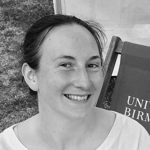
Vicky Higman
Vicky Higman
Vicky studied Chemistry at the University of Oxford where she received her MChem and was first introduced to protein NMR. She stayed on at Oxford to do her DPhil and some post-doctoral work in this area before moving to the Leibniz-Institut für Pharmakologie in Berlin where she switched from solution to solid-state NMR of proteins. After further stints at the Universities of Oxford and Bristol she moved to the University of Leicester in 2019 where she joined the Collaborative Computational Project for NMR (CCPN). She now is now involved in developing software for the biomolecular NMR community, supporting the work of academic and industrial scientists globally.
Keywords: Nuclear Magnetic Resonance, protein structure and dynamics, protein-protein and protein-ligand interactions
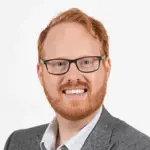
Dr Robbie Baldock
Dr Robbie Baldock
Robert completed his undergraduate degree at the University of Sussex in 2012 and later joined the laboratory of Dr Felicity Watts to study post-translational modifications that enable cells to respond to cellular stress. In 2016, he joined the University of Pittsburgh as a postdoctoral associate to determine the impact of mutations in DNA repair genes on sensitivity of cancer cells to precision medicines.
In 2018, Robert returned to the UK to start his own research laboratory. During this time, he helped establish a new BSc (Hons) Biomedical Science programme as a Lecturer at Solent University Southampton before later progressing to Senior Lecturer. In 2021, he joined the University of Gloucestershire to develop a 2nd set of new Biomedical Science programmes. In 2022, Robert joined the University of Portsmouth to continue his research investigating the mechanisms of DNA repair that protect both the mitochondrial and nuclear genome.
Robert is currently Associate Head (Employability & Placements) at the University of Portsmouth. He is a Local Ambassador for the Biochemical Society and serves on both the Genes Research Area Panel as well as on the society’s Early Career Advisory Panel. He has participated in external validation panels for new degree programmes and is an External Examiner for the University of Plymouth. Robert is also a Senior Fellow of the Higher Education Academy (AdvanceHE) and has a keen interest in how technology can widen-participation and enrich bioscience education.
Keywords: DNA repair, Genomic Stability, Cell Biology
Dr Matthew Brook
Dr Matthew Brook
Matt’s research focuses on the molecular control of gene expression at the post-transcriptional level. He is interested in the proteins that regulate mRNA utilisation and fate, their mechanisms of action, and the upstream signalling pathways that coordinate their functions. Over the years, these interests have been applied to diverse areas of human health including innate immunity, virology, and reproductive health, and are now being applied to understanding the contributions of post-transcriptional control to cardiometabolic health and disease. Matt graduated from University of Essex (BSc Biochemistry) and worked as a research assistant at University of Manchester and Imperial College, gaining an MRes Molecular Biochemistry and PhD, respectively. He became a Biomedical Sciences lecturer at University of Edinburgh in 2019, having worked there as a postdoc for several years. He is the academic lead for Standards in Research Practice in the UoE Centre for Cardiovascular Science and has been a Local Ambassador for the Biochemical Society since 2010.
Keywords: RNA-binding proteins, post-transcriptional control, mRNA translation, mRNA turnover, intracellular signalling
Michael Tellier
Michael Tellier
Michael’s research focuses on the functions of protein phosphorylation in the regulation of transcription and co-transcriptional processes, including pre-mRNA splicing and mRNA cleavage and polyadenylation. He received a BSc in Biology from the University Val d’Essonne, France, and a MSc in Microbiology from the University Paris VII, France. He then moved to the University of Nottingham, UK, to perform his PhD in the group of Prof. Ronald Chalmers investigating the role of transposable elements on chromatin and gene expression. He then trained as a postdoctoral researcher in the group of Prof. Shona Murphy at the Sir William Dunn School of Pathology, University of Oxford, UK, where he investigated the roles of cyclin-dependent kinases (CDKs) in transcription and mRNA cleavage and polyadenylation. In early 2023, Michael established his independent research group at the University of Leicester, UK.
Keywords: Transcription, pre-mRNA splicing, mRNA cleavage and polyadenylation, protein phosphorylation, kinases, phosphatases
Dr Swagat Ray
Dr Swagat Ray
Dr. Swagat Ray is a cell biologist and Senior Lecturer at University of Lincoln. He earned his BSc in Microbiology from Bangalore University, an MSc in Medical Biochemistry from Kasturba Medical College, Manipal and a PhD in Cell Biology as a Felix Scholar at the University of Reading, UK. Prior to joining Lincoln, Dr. Ray was a senior Research Fellow at the University of Sheffield and held postdoctoral positions at the University of Warwick and Queen's University Belfast. With a primary research interest in DNA Damage Response (DDR) and its regulation by transcription, Dr. Ray has made significant contributions to the field with his research. His work has been published in prestigious international journals such as Nature, Nature Communications, Nature Neuroscience, Cell Reports, and Scientific Reports.
Dr Naomi Pollock
Dr Naomi Pollock
Naomi Pollock is a Lecturer in Biosciences at Aston University.
Naomi graduated with an MBiochem from the University of Oxford in 2007, followed by a DPhil in membrane protein biochemistry in 2011. She continued her research in this area with post-doctoral positions at the universities of Manchester, Warwick, Birmingham. As a newly-appointed lecturer her research focus will be on novel technologies for membrane protein purification, and integrating these with biochemical and biophysical characterisation methods.
Keywords: Membranes, proteins, biotechnology
Dr Michael Dodd
Dr Michael Dodd
Mike is dedicated to exploring the intricate link between type 2 diabetes and cardiovascular disease, two conditions that account for a significant portion, nearly one-tenth, of the NHS budget due to their complications. His approach involves the use of cell culture models to simulate lipotoxicity and insulin resistance, providing insights into the changes in metabolism and survival under hypoxic conditions, as seen in myocardial infarctions. His ultimate goal is to uncover novel therapeutic strategies for these prevalent health issues.
Keywords: Diabetes, Cardiovascular disease, Hypoxia, Metabolism
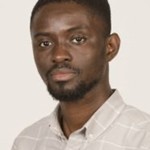
Louis Dwomoh
Louis Dwomoh
Louis received a BSc in Medical Laboratory Technology from the Kwame Nkrumah University of Science and Technology in Ghana. After qualifying as a biomedical scientist, he studied for his MSc and PhD degrees in Biomedical Science at the University of the West of England, Bristol. For his doctoral study, Louis investigated the molecular and functional composition of glutamate receptors in pancreatic endocrine cells. He went on to work in the group of Prof. Andrew Tobin at the University of Glasgow, where he investigated the allosteric modulation of muscarinic acetylcholine receptors in neurodegeneration and neuroinflammation. Louis is currently a Lead Scientist at Nxera Pharma, where he works on the translational aspects of their neuroscience drug discovery programmes.
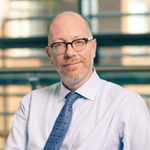
Professor Tim Palmer
Tim is currently Professor and Chair of Cardiovascular Biology at the Hull York Medical School Centre for Biomedicine at the University of Hull, UK. His research examines the cell signalling mechanisms responsible for the development of cardiovascular disease.
Tim received a BSc (Hons) in Biochemistry from the University of Manchester, and a PhD in Biochemistry from the University of Glasgow under the direction of Professor Miles Houslay. During his post-doctoral studies, he examined the molecular basis of adenosine receptor desensitisation, securing an American Heart Association Postdoctoral Research Fellowship. He then returned to Glasgow in 1997 as a Lecturer in Biochemistry before moving to the University of Bradford to take up a Chair in Pharmacology in 2015.
Keywords: Cytokine signalling, vascular biology, inflammation, JAK-STAT
Dr John Noone
Dr John Noone
John Noone is an Assistant Professor in Physiology within the Faculty of Education and Health, Department of Physical Education and Sport Sciences at the University of Limerick. John's research focuses on application of in-vitro and in-vivo techniques to study skeletal muscle bioenergetics. Funded by the European Space Agency, John attained his PhD from Dublin City University’s National Institute for Cellular Biotechnology and School of Health and Human Performance studying the role skeletal muscle mitochondrial function and fusion-fission dynamics play in the regulation of energy metabolism in human health and disease. He subsequently undertook his primary postdoctoral training programme within Trinity College Dublin’s School of Biochemistry and Immunology. Here his research focused on the role drugs targeting the endocannabinoid system play in the mitigation of skeletal muscle cancer cachexia. Following this, John trained as a research fellow in the USA at AdventHealth’s Translational Research Institute, Orlando, Florida as part of the Molecular Transducers of Physical Activity Consortium (MoTrPAC) and the Study of Muscle, Mobility and Aging (SOMMA) study specializing in the skeletal muscle mitochondrial response to exercise, inactivity, aging, and its role in metabolic disease progression.
Keywords: Mitochondria, metabolism, skeletal muscle, physical activity, aging
Dr Talat Nasim
Dr Talat Nasim
Dr. Talat Nasim is an Associate Professor in Therapeutics at the School of Pharmacy and Medical Sciences, the University of Bradford, UK.
His research interests focus on the broader areas of Translational Medicine (from gene identification to drug discovery). He has identified a few key genes that cause disorders such as Pulmonary Hypertension and blood cancer and identified novel diagnostics and therapeutics. He is the inventor of several diagnostic and therapeutic patents.
His contributions to science include publications in scientific journals, articles to local and national daily newspapers and intellectual supports to scientific community around the world. He has published 70 articles including research papers in journals including Nature Genetics, Nature Protocols, Nature Communications, Nucleic Acids Research, Human Molecular Genetics. His research has been extensively highlighted in news media across the globe as evidenced in his interviews with CBA News (USA), Labmate (UK) and Daily Prothom-alo (Bangladesh). He writes regularly in newspapers including the Daily New Nation, the Daily New Age, daily Jugantor, Daily Prothom-alo, RatdinNews and Lalmonirhat Barta and edited books inaugurated by the Prime Minister of the Peoples Republic of Bangladesh.
Dr Nasim serves and as a Local Ambassador and as a Member on the Clinical and Translational Theme panel of the Biochemical Society and as an External Examiner and a Mentor of External examiners of University of Teesside. Earlier he served as an Adviser of the Commonwealth Scholarship Commission, United Kingdom, an Executive Member of the Global Network of Bangladeshi Biotechnologists (GNOBB), Bangladesh and an Executive Member of the Research and Knowledge Transfer Committee, Faculty of Life Sciences, University of Bradford. He has been a Member of Editorial Board of several international journals including BioChem, Journal of Bioscience and International Journal of Perception in Public.
He is the founder and Chief Adviser of the Centre for Health Agriculture and Socio-economic Advancements (CHASA), which was incepted in 2008 at Lalmonirhat, Bangladesh. Since its inception, CHASA has provided more than 200 scholarships to students at various levels from primary school to college.
Dr. Nasim received his Ph.D degree from the University of Manchester Institute of Science and Technology (UMIST), UK. In his student life, he received 18 scholarships from various countries including Bangladesh, Switzerland, USA and UK.
Dr. Nasim has been a co-recipient of the Best Scientist Award 2008 of Lalmonirhat Municipality (Bangladesh) and received nomination for the ‘Best Non-resident Bangladeshi Scientist-2019’ of Global Network of Bangladeshi Biotechnologists (GNOBB).
Dr Sara Anjomani-Virmouni
Dr Anjomani has a long-standing interest in cellular and molecular genetic studies of the inherited neurodegenerative disorder, Friedreich’s ataxia (FRDA), contributing over the last 12 years to the development of GAA repeat-based FRDA transgenic mouse models for the investigation of FRDA disease pathogenesis and therapy. Her current research aims to understand metabolic signatures of FRDA with the view of providing novel therapeutic strategies for FRDA patient diagnosis and treatment through targeting their unique metabolism. She also has particular interest in studying iron biology and oxidative stress and has recently established multidisciplinary collaboration to assess the efficacy of smart molecules with iron chelation and/or antioxidant capacity in iron-related disorders.
Keywords: Neurodegeneration, Ataxia, Genetics, Genomics, Epigenetics, Cell Biology, Cellular Signalling, Mitochondrial Function, Metabolism, Oxidative Stress, Transgenic Mouse Models
Jamie Blaza
Jamie Blaza
Jamie is interested in how electron and proton transfer reactions power all life, with a particular focus on bacterial bioenergetics and new drugs against TB. He is a biophysicist using both structural and functional methods to translate our increasingly detailed understanding of how bioenergetics works in vitro to living cells.
Keywords: Biophysics, Structural Biology, Bioenergetics, Enzymology, Metabolism, Microbiology, Biochemical techniques & resources, Biotechnology, Instrumentation & Devices, Cell Membranes, Excitation & Transport
Dr Urszula McClurg
Dr Urszula McClurg
I studied for a Bachelor’s degree in Lodz, Poland and then secured a European Union scholarship to carry out my postgraduate studies in the UK. I completed a PhD at the Leeds Institute of Molecular Medicine (University of Leeds) on the role of post-translational modifications in cancer development in 2013. During my PhD I received funding from the European Union to train in ubiquitination at Karolinska Institute in Stockholm, Sweden. Consequently, I decided to further develop my skills in this field and moved to the Northern Institute for Cancer Research to study the role of deubiquitination in cancer progression. Following successful completion of my Post-Doctoral project in 2017 I received a Newcastle University Faculty of Medical Sciences Junior Fellowship to start my own research programme focused on understanding the role of meiotic proteins in cancer at the Institute for Cellular and Molecular Biosciences. In 2018 I moved to the Institute for Integrative Biology in Liverpool for a Tenure Track Research Fellowship and started my own group. Our work focuses on exploring the role meiotic proteins in cancer as identifying new oncogenes and pathways of carcinogenesis could provide novel therapeutic strategies.
Keywords: Cancer, meiosis, germ cell cancer genes, synaptonemal complex
Pamela Lochhead
Pamela Lochhead
Pamela received a PhD in Biochemistry from the MRC Protein Phosphorylation Unit at the University of Dundee studying the signalling pathways that regulated hepatic gene expression. She then conducted postdoctoral research at the Cancer Research UK Beatson Institute, then moved to a Senior Scientist position at the Babraham Institute, investigating the role and regulation of kinases down-stream from the proto-oncogene RAS which are involved in development and cancer. During this time she was involved in a number of Academic/Industry collaborations.
Excited by proximity inducing drugs such as PROTACs and molecular glues to induce target degradation or other beneficial protein: protein interactions, she moved to the department of Mechanistic & Structural Biology, Discovery Sciences at AstraZeneca in 2020. Here she has worked on a number of Oncology drug discovery programmes.
Dr Elliott Stollar
Dr Elliott Stollar
Dr Clara Correia-Melo
Clara recently started as a Group Leader at the Leibniz Institute for Ageing – Fritz Lipmann Institute in Jena, Germany. Her research focuses on the biochemical crosstalk of ageing cells. Clara has a background in Human Pathologic Anatomy, followed by a PhD in Molecular Biology of Ageing at the University of Newcastle (UK), whilst holding a GABBA Fellowship. She then carried out her postdoctoral training at the University of Cambridge & the Francis Crick Institute (UK) and the Charité Medical University Berlin (Germany), exploring the metabolic interactions of microbial communities.
Keywords: Biochemical crosstalk, metabolomics, host-microbiome, ageing, health & disease