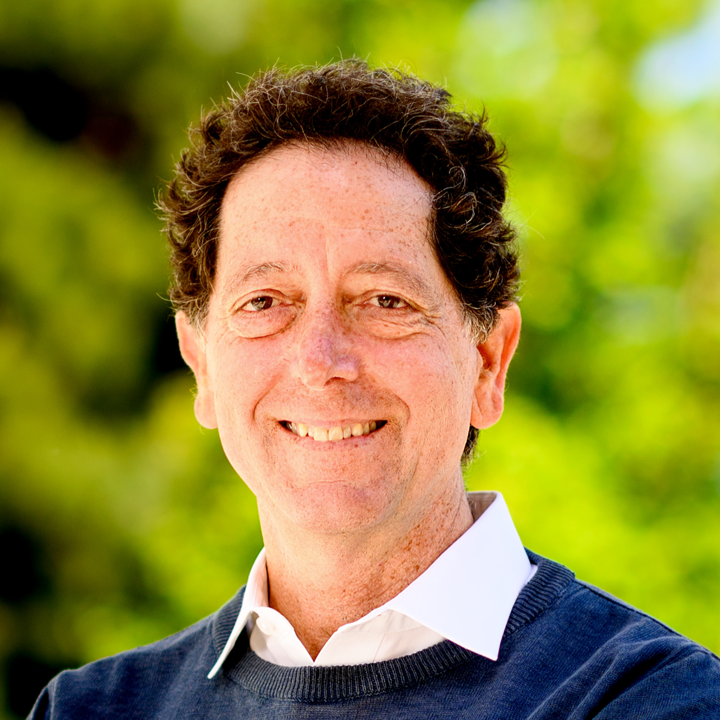
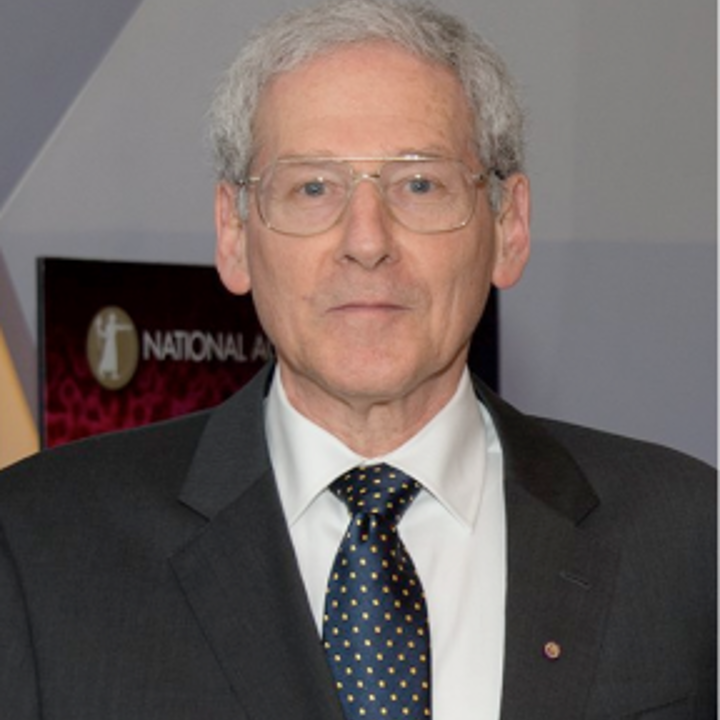
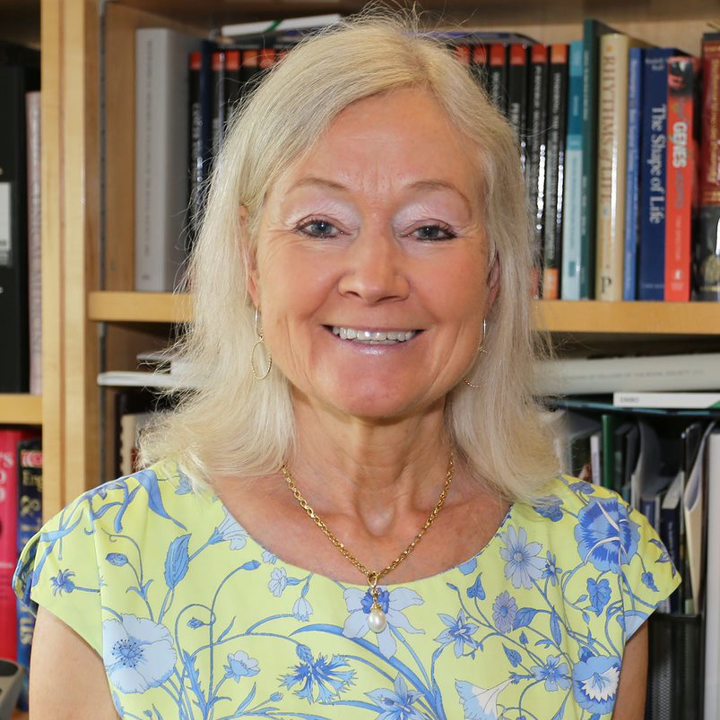
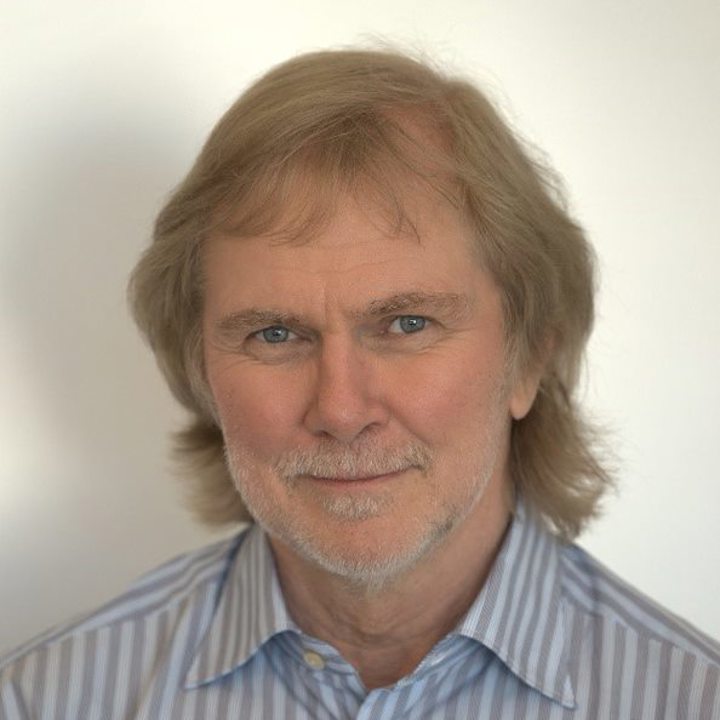
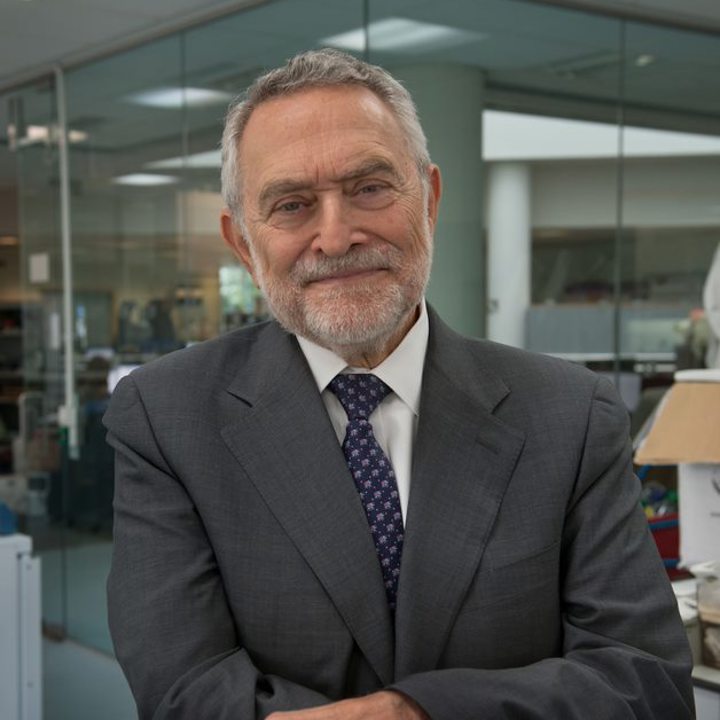
The Centenary Award will be presented to Professor Matthew Freeman in 2027. Matthew is the Head of the Dunn School of Pathology at the University of Oxford. After a PhD from Imperial College, London, he did a postdoctoral fellowship at the University of California, Berkeley. He returned to the UK to establish his own group at the MRC Laboratory of Molecular Biology in Cambridge, where he became Head of the Division of Cell Biology, before moving in 2013 to Oxford to lead the Dunn School.
His group originally worked on developmental genetics in Drosophila, but the long-term focus on cell signalling mechanisms steered the lab towards the cell biology, genetics, biochemistry and structural biology of membrane proteins, with a specific focus on the rhomboid-like superfamily of proteases and pseudoproteases, which they discovered. Although primarily driven by fundamental discovery science, his group’s work has the goal of revealing principles relevant to human disease. Recently, this has included insights into inflammation, immunity and cancer.
Matthew Freeman has chaired the British Society of Developmental Biology, the Company of Biologists, and EMBO Council. He is a member of EMBO, and a Fellow of the Royal Society and the Academy of Medical Sciences.
Matthew said: "It’s a huge honour to receive the Centenary Award, especially when I look through the illustrious list of previous recipients.
We do not do science for awards but, honestly, recognition by peers and colleagues is lovely! Of course, the real credit for the research that my lab has done belongs to the many really outstanding past and current students and postdocs with whom I have had the privilege to work.
I started my scientific life as a biochemistry student and have since moved between genetics, developmental biology and cell biology. More recently, I have increasingly returned to biochemistry, so it's a particular pleasure to receive an award from the Biochemical Society."